
- PV Products
PV balance of system
Combiner, meter and grid-connection boxes. 130 GW+ of PV products supplied.
All PV products - Energy Storage
261 Series Standard and PV-storage-diesel versions
418 Series DC-side and all-in-one versions
PulsarWatt Micro Grid AIO Container 20 ft · 90 kWp PV + 261 kWh
STS Cabinet 250 kW / 500 kW · On/off-grid transfer
- Grid-Connection Cabinet Grid tie for storage To be updated
AC Combiner (Paralleling) Cabinet Two 261 cabinets, one grid tie
More storage products Container & Air-Cooled Telecom Base Station Residential & Portable Elevator Energy Saving CFOS Platform - Markets & Solutions
- Projects
- Resources
- News & Insights


Insights
Technical articles, industry news and exhibitions.
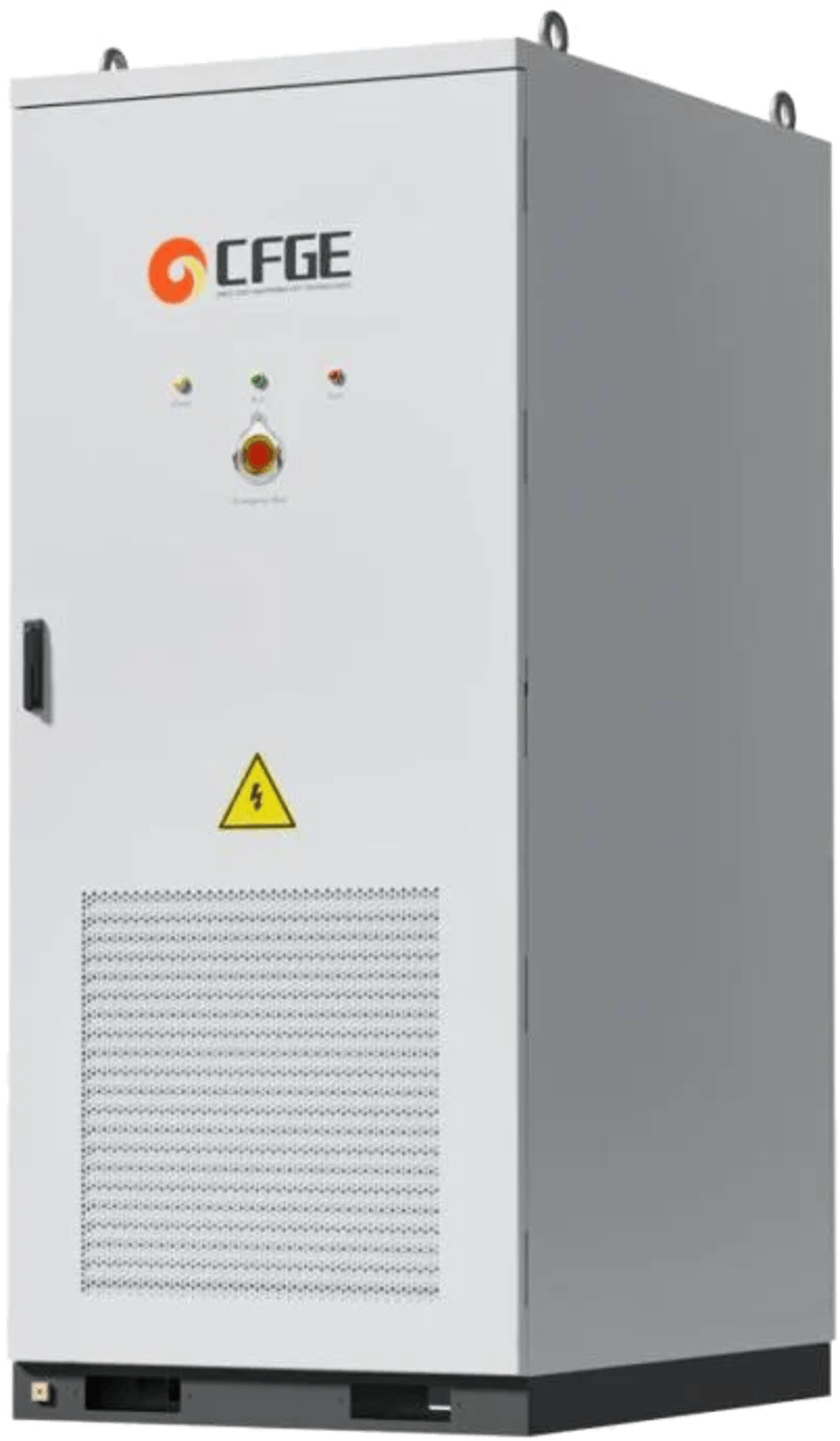
How to Select a 261 kWh Liquid-Cooled Energy Storage Cabinet for C&I Sites
By Changfeng Green Energy A 261 kWh liquid-cooled cabinet is a common building block for commercial and industrial (C&I) energy storage: large enough to shave a real demand peak, and small enough to stand beside a factory or commercial building. This guide covers the checks that decide whether it fits your site and how many cabinets you need. CFGE figures come from the 261 Series datasheets. 1. Define the job first Peak shaving and demand control: discharge during peaks to stay under a target demand. Peak-valley shifting: charge at low tariffs and discharge at high tariffs. PV self-consumption: store surplus solar generation and use it later. Backup or microgrid: keep loads running without the grid. Off-grid operation is optional on the storage cabinet and supported on the PV-storage-diesel all-in-one. 2. Size power and energy separately Power and energy answer different questions. Power (kW) must cover how far the peak rises above your target. Energy (kWh) must cover how long it stays there. Use interval data from your meter, ideally a full year, because one bad month can set the demand charge. Each 261 Series cabinet is rated 125 kW and 261 kWh, so it can discharge at rated power for about two hours before allowing for depth of discharge and conversion losses. Worked example, for illustration only. A site peaks at 600 kW and wants to stay under 450 kW. The peak lasts up to two hours, so the system must deliver 150 kW for two hours, or 300 kWh at the meter. Power: one cabinet gives 125 kW, which falls short. Two give 250 kW. Energy: two cabinets hold 522 kWh. At 90% depth of discharge that is about 470 kWh on the battery side, which leaves a margin over 300 kWh after conversion losses. In this example power sets the cabinet count. On sites with long, shallow peaks, energy usually sets it instead. Check the final sizing against your real load profile and tariff. 3. Choose the version for your market Mainland China, CFGE 125K/261-PT/CN: GB/T 36276, GB/T 34131, GB/T 34120 and GB 44240. Global, CFGE 125K/261-PT/GL: IEC 61000-6-2, IEC 61000-6-4, IEC 62477, IEC 62619, IEC 63056 and UN 38.3, plus grid-side certifications such as VDE 4105, AS 4777.2, G99 Type A and EN 50549. Europe, CFGE 125K/261-PT/EU: the global list plus UL 9540A. PV-storage-diesel all-in-one, CFGE 125K/261-PV-AIO-PT/GL: adds built-in MPPT and genset control for microgrid sites. Confirm which certificates your grid operator accepts, and ask for copies before you order. 4. Check the site Footprint and weight: the storage cabinet measures 980 × 1,350 × 2,300 mm (W × D × H) and weighs 2.7 t. The all-in-one measures 1,330 × 1,350 × 2,150 mm and weighs 2,800 kg. Allow for the foundation and service clearance. Enclosure: IP55 with liquid cooling. The storage cabinet is rated for outdoor installation with C4 corrosion protection and bottom cable entry. Temperature: -20 to +60 °C for the storage cabinet and -20 to +50 °C for the all-in-one, with derating above 45 °C. Altitude: up to 3,000 m with derating above 2,000 m for the storage cabinet, and up to 2,000 m for the all-in-one. Fire protection: pack-level protection plus total flooding suppression on the storage cabinet, and cabinet-level aerosol plus water firefighting on the all-in-one. Check these against your local fire code. 5. Plan the grid connection and expansion AC side: 125 kW at 400 V AC. The storage cabinet is non-isolated. The all-in-one needs an external 0.4/0.4 kV isolation transformer on the AC output side, sized for the project. Two cabinets, one grid tie: the 250 kW AC Combiner Cabinet (2-in-1) combines two 261 Series cabinets through a 630 A main breaker. On-grid and off-grid transfer: the Two-Input Grid Transfer Cabinet with STS works with one or two cabinets. Communication: LAN, 4G, RS485 and CAN, with direct EMS communication with PV inverters on the storage cabinet. 6. What to send for a configuration Site location, grid voltage and frequency Interval load data or recent electricity bills, and your tariff Your main goal: peak shaving, PV self-consumption, backup or microgrid Any existing PV or generators, and the space available The standards your project or grid operator requires CFGE completes scheme reviews within 48–72 hours of receiving site information. Contact our engineers, or download the datasheets from the resource center. About CFGE Changfeng Green Energy (CFGE) has designed and built PV balance-of-system equipment in Changshu, Suzhou, since 2007, and C&I energy storage systems since 2022. The current range includes PV combiner boxes, meter and grid-connection boxes, the liquid-cooled 261 Series and 418 Series cabinets, and the PulsarWatt Micro Grid AIO Container. Contact info@cf-ge.com, follow CFGE on LinkedIn, or read the company facts.
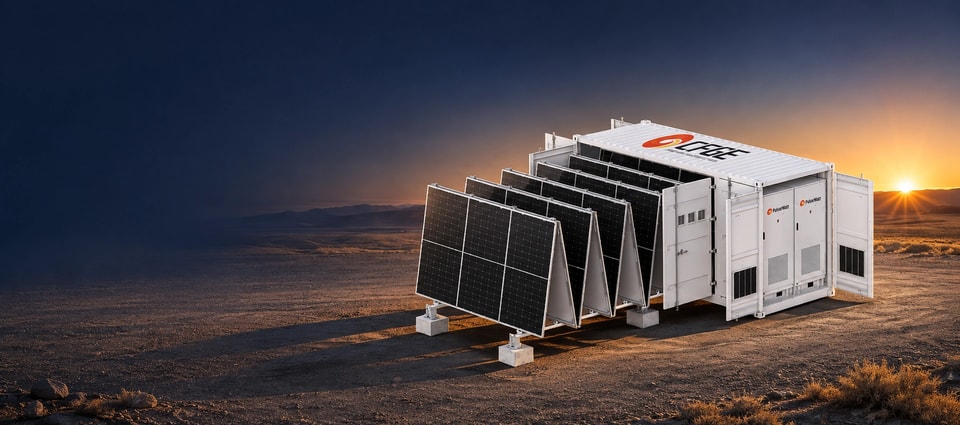
DC-Coupled PV-Storage-Diesel Microgrid Design: A Practical Guide
By Changfeng Green Energy Remote and weak-grid sites often rely on diesel generators. Adding PV and storage can cut generator run-hours while the genset stays available as a backup source. This guide explains how a DC-coupled PV-storage-diesel system fits together and what to check when you design one, using figures from two CFGE products: the 261 Series PV-storage-diesel all-in-one and the PulsarWatt Micro Grid AIO Container. What DC coupling means In a DC-coupled system, the PV array connects to the battery DC side through an MPPT DC/DC converter, and one bidirectional PCS supplies the AC loads. Generators and any available grid connect on the AC side. Energy going from PV into the battery avoids a second conversion through AC. In an AC-coupled system, storage connects on the AC side with its own PCS next to the PV inverters. That leaves an existing PV system untouched, which is why AC coupling is common for retrofits. DC coupling is a natural fit for new-build and off-grid sites. The main building blocks PV array and MPPT: convert and control PV power onto the battery DC side. Battery: balances generation and load. Both CFGE products use 314 Ah LFP cells and 261 kWh of energy. PCS: supplies the AC loads and sets the off-grid voltage and frequency. Both products are rated 125 kW. Genset: covers long periods of low PV and low state of charge (SOC). EMS: decides which source runs, based on demand, SOC and grid availability. Design checks Match the PV array to the MPPT inputs 261 Series all-in-one: eight inputs at 15 kW each, 120 kW of total MPPT power (2 × 60 kW), 450–700 V DC operating range and 700 V DC maximum. PulsarWatt: four inputs at 15 kW each, 60 kW of total MPPT power and a 90 kWp array, with up to 45 A per string at 150–1,000 V. String voltage rises in cold weather, so check strings against the maximum input voltage at the lowest expected site temperature. Define the operating priority A typical sequence runs PV first, uses the battery to balance power, and brings in other sources according to grid availability and SOC. In PulsarWatt, available grid power supplements PV and storage first; without grid power, low SOC starts the genset. Set the genset logic Both products support genset start/stop control, SOC-based automatic start and stop, and genset power dispatch. Choose SOC thresholds that protect the battery without short-cycling the generator, and check the genset rating against the loads it must carry and the charging power you want from it. Plan the AC side and isolation 261 Series all-in-one: 230/400 V AC, 3P + N + PE, 50/60 Hz. An external 0.4/0.4 kV isolation transformer is required on the AC output side, sized for the project. PulsarWatt: 400 V AC, 50 Hz, with the isolation transformer integrated in the distribution enclosure. Check transfer and black start PulsarWatt coordinates its STS and PCS for a 20 ms grid transfer, subject to agreed test conditions. Without an external AC source, it supports black start and staged load restoration when starting conditions are met. List which loads must ride through a transfer, and restart large motor loads in stages. Cabinet or container? 261 Series all-in-one: an outdoor cabinet for sites that already have, or will build, their own PV array. It offers up to 120 kW of MPPT power. PulsarWatt: PV, MPPT, storage, PCS, STS, EMS and distribution in one 20 ft container for weak-grid, off-grid and temporary power. It weighs up to 17 t in transport and deploys to 28.5 m, so check access and ground space. Site deployment requires securing the array, wiring, earthing and commissioning. What to collect before design A load profile, including peak loads and motor starts Roof or ground area for PV, and the site location for irradiation data Existing genset rating and fuel cost Grid availability, voltage and frequency Ambient temperature range, altitude and transport access Send this information to our engineers for a first configuration, or read more on the Markets & Solutions page. About CFGE Changfeng Green Energy (CFGE) has designed and built PV balance-of-system equipment in Changshu, Suzhou, since 2007, and C&I energy storage systems since 2022. The current range includes PV combiner boxes, meter and grid-connection boxes, the liquid-cooled 261 Series and 418 Series cabinets, and the PulsarWatt Micro Grid AIO Container. Contact info@cf-ge.com, follow CFGE on LinkedIn, or read the company facts.
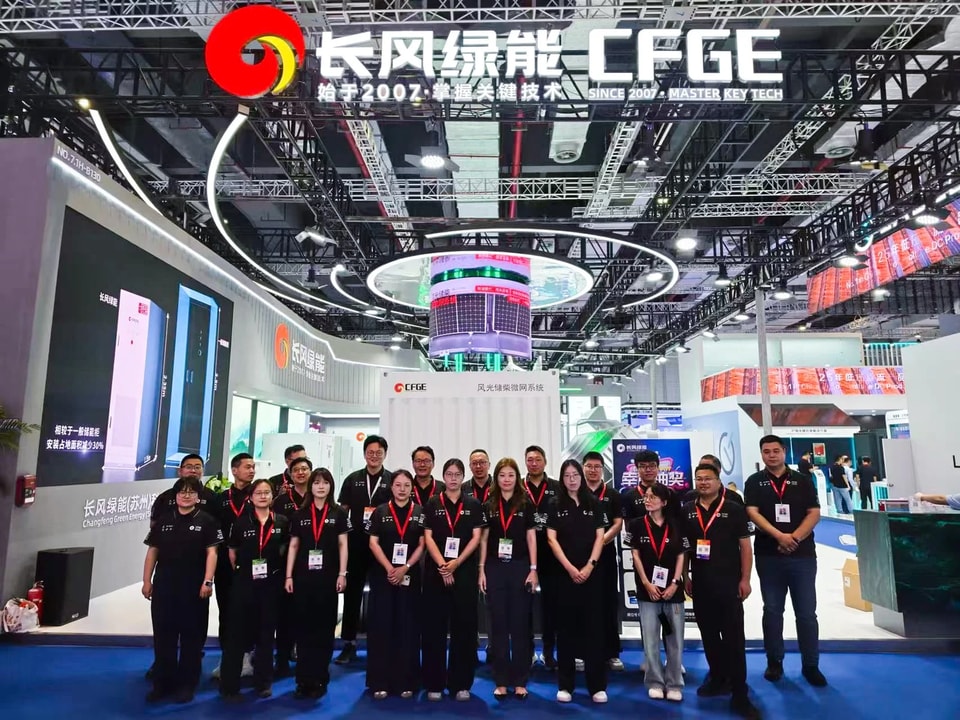
Event Recap: CFGE at SNEC 2026 in Shanghai (Booth 7.1H-B130)
Last updated 5 November 2026 · By Changfeng Green Energy Changfeng Green Energy (CFGE) exhibited at SNEC 2026, the 19th SNEC International Photovoltaic, Energy Storage and Battery Conference & Exhibition, held from 3 to 5 June 2026 at the Shanghai New International Expo Centre, 2345 Longyang Road, Pudong, Shanghai. On the stand The booth brought together CFGE's PV and energy storage lines under the company line Since 2007 · Master key tech, including a wind-solar-storage-diesel microgrid system and the energy storage cabinets, residential batteries, portable power stations, distribution boxes and combiner boxes shown on the invitation. A display on the stand compared the installation footprint of a CFGE storage cabinet with a conventional one: 30% less floor space. Invitation: SNEC 19th (2026), 3–5 June, booth 7.1H-B130. Talk to the team If you visited the stand, or could not make it to Shanghai, you can reach the same engineers and sales team at info@cf-ge.com or through the contact page. About CFGE Changfeng Green Energy (CFGE) has designed and built PV balance-of-system equipment in Changshu, Suzhou, since 2007, and C&I energy storage systems since 2022. The current range includes PV combiner boxes, meter and grid-connection boxes, the liquid-cooled 261 Series and 418 Series cabinets, and the PulsarWatt Micro Grid AIO Container. Contact info@cf-ge.com, follow CFGE on LinkedIn, or read the company facts.
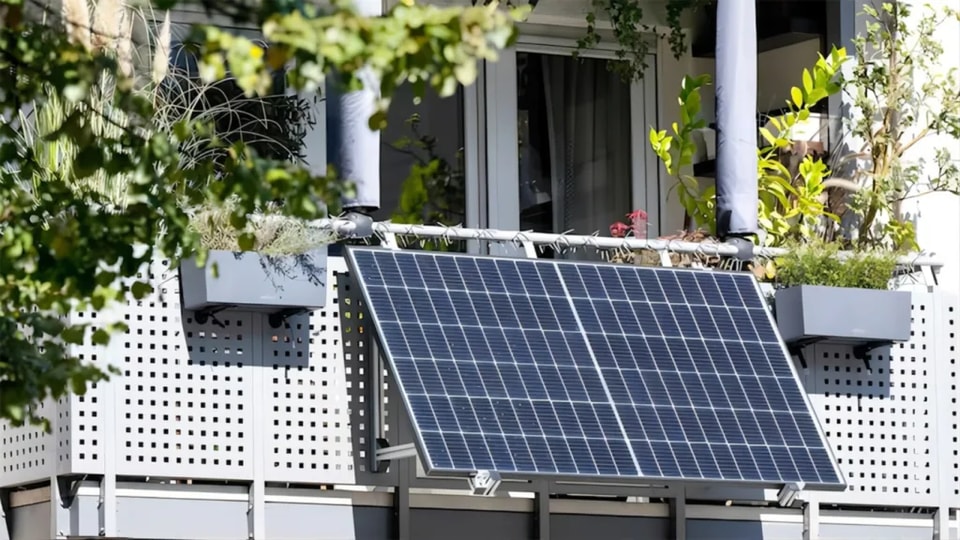
Balcony PV system: Unstoppable Green Energy for Your Life
Last updated 5 November 2026 · By Changfeng Green Energy Amidst the global energy transition, off-grid energy systems are emerging as innovative solutions that are gaining increasing attention in the market. These systems are not only suitable for urban homes but also provide stable power supply in remote areas, non-electrified zones, and other environments. Balcony solar, as a product that integrates solar power generation and energy storage technology, helps users achieve energy self-sufficiency while creating significant market opportunities globally. 1. Balcony PV System: The Green Energy Choice for Urban Homes Balcony PV systems are an ideal choice for urban households. They convert solar energy into electricity, providing users with clean and renewable energy. Solar panels installed on balconies not only save space but also reduce household electricity bills, especially for consumers who want to lower their carbon footprint. The installation of balcony solar systems is simple and well-suited for modern urban living, efficiently utilizing unused balcony space to power homes. These systems make full use of the inexhaustible solar energy, helping users reduce their dependence on traditional fossil fuels. Installing a 1 kW solar system can reduce carbon dioxide emissions by about 200kg annually, making your life more environmentally friendly. 2. Booming Balcony Solar Market According to data, approximately 213,000 systems were installed in Germany in the first half of this year, with a total of about 565,000 balcony solar power systems in operation, nearly matching the total number for the entire previous year. In other parts of Europe, except Belgium where some restrictions have been implemented due to concerns over grid stability, countries like Austria, France, Italy, Poland, and Luxembourg have also introduced policies supporting the use of solar energy on balconies. Compared to traditional rooftop solar, balcony solar systems are easier to install, allowing even non-professionals to easily assemble them, and they can be disassembled with little effort. In Germany, there is no need for registration or grid connection permits – it’s plug and play. Additionally, balcony solar is more cost-effective, and the German government provides subsidies; for example, in Berlin, installing a balcony solar system can qualify for a subsidy of up to 500 euros, covering nearly half the cost of the equipment. 3. Ideal Solution for Remote Areas Off-grid solar storage systems offer solutions for areas that are not connected to the central grid. Whether in remote villages, islands, communication towers, or temporary construction sites, off-grid solar storage systems can generate electricity through solar power and store energy, providing a continuous and stable power supply. Compared to traditional fuel-based power generation, these systems are not only environmentally friendly but also significantly lower the cost per kilowatt-hour. Although the initial investment may be high, the long-term operational costs of off-grid solar storage systems are very low, making them especially economical in areas where fuel generation costs are high. With flexible system configurations, off-grid solar storage systems can meet the power demands of different regions and scenarios, bringing a revolution in electricity supply to non-electrified and weak-grid areas worldwide. 4. Easy Installation, Perfect for Urban Living Balcony PV systems are easy to install, requiring no extra space, making them highly suitable for urban homes. Whether in apartments or villas, as long as the balcony has sufficient sunlight, the system can be easily installed, allowing users to enjoy the convenience of clean energy. Installing a solar system can also increase the value of your property. As a green technology, balcony solar enhances the environmental and energy self-sufficiency capabilities of homes, making it a standard feature for future households. Moreover, many regions offer subsidies and incentives for installing solar systems, further lowering the initial installation cost, making balcony solar more feasible and accessible for widespread adoption. Choose CFGE for Advanced Balcony PV Systems At Changfeng Green Energy (CFGE), we provide high-quality, advanced balcony solar systems designed to meet the energy needs of modern households. Our solutions are easy to install, cost-effective, and built with cutting-edge technology to ensure maximum efficiency and durability. Whether you’re looking to reduce your carbon footprint or save on energy costs, CFGE has the right solution for you. Contact us today to learn more about our products and how we can help power your home with clean, renewable energy. Start your journey towards energy independence with CFGE! About CFGE Changfeng Green Energy (CFGE) has designed and built PV balance-of-system equipment in Changshu, Suzhou, since 2007, and C&I energy storage systems since 2022. The current range includes PV combiner boxes, meter and grid-connection boxes, the liquid-cooled 261 Series and 418 Series cabinets, and the PulsarWatt Micro Grid AIO Container. Contact info@cf-ge.com, follow CFGE on LinkedIn, or read the company facts.
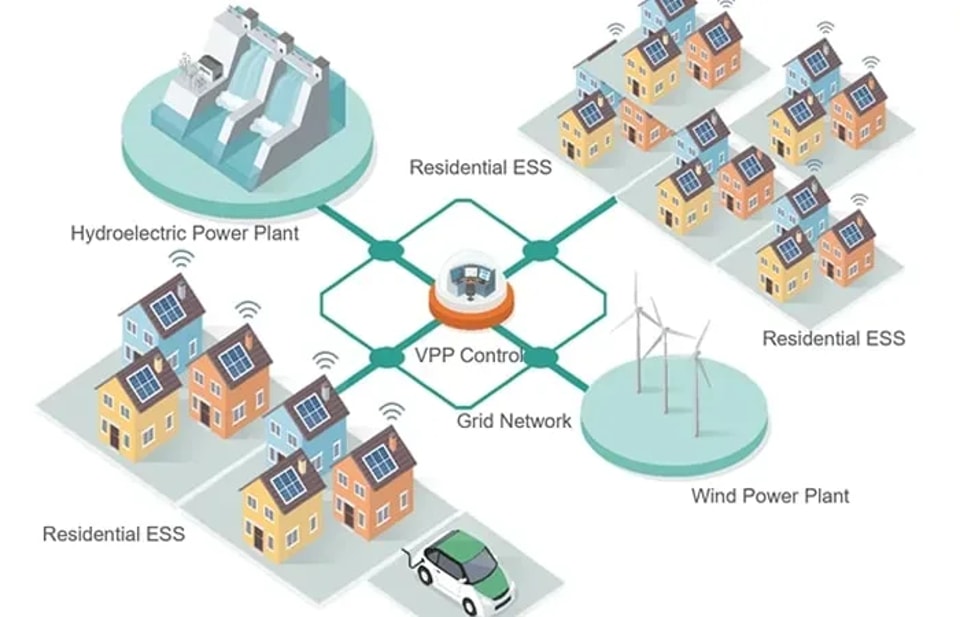
Pioneering the Energy Revolution: How Energy Storage Powers the Future of Virtual Power Plants
Last updated 5 November 2026 · By Changfeng Green Energy As the world transitions to cleaner energy, energy storage technology is becoming a critical enabler of renewable energy development. With the increasing volatility and unpredictability of renewable energy sources, the demand for energy storage solutions is on the rise. Changfeng Green Energy Technology Co., Ltd., leveraging cutting-edge technology and deep industry expertise, is strategically positioned in the energy storage market to deliver flexible and reliable energy solutions. The Rise of Virtual Power Plants (VPP) Virtual Power Plants (VPP) are emerging as a crucial component of modern power systems. By aggregating distributed energy sources, adjustable loads, and energy storage resources, VPPs create a highly efficient energy management platform. Powered by AI and big data, VPPs can manage and dispatch various resources with precision, meeting the diverse demands of power markets. In this context, energy storage technology plays a pivotal role with its flexibility and regulatory capabilities. Changfeng Green Energy specializes in developing high-performance energy storage products that enhance the operational efficiency of VPPs, helping clients navigate the uncertainties of power supply while improving system reliability and economic returns. Expansive Potential of the Energy Storage Market The energy storage market is expanding rapidly, driven by new load growth from electric vehicles, user-side storage, and data centers. Changfeng Green Energy is committed to integrating innovative storage technologies with market demands to maximize resource efficiency and management. Our energy storage solutions not only provide users with stable electricity services but also enable participation in spot markets, ancillary service markets, and green power trading, creating diverse revenue streams. A Future of Collaboration and Innovation As the construction of a unified national power market accelerates, Changfeng Green Energy will continue to leverage its technological strengths to promote the widespread adoption of energy storage. We look forward to partnering with various resource stakeholders to explore the full potential of the energy storage market. Together, we will ride the wave of green energy and contribute to sustainable development. Join us and seize the opportunities in the energy storage market as we work towards a greener, smarter future! About CFGE Changfeng Green Energy (CFGE) has designed and built PV balance-of-system equipment in Changshu, Suzhou, since 2007, and C&I energy storage systems since 2022. The current range includes PV combiner boxes, meter and grid-connection boxes, the liquid-cooled 261 Series and 418 Series cabinets, and the PulsarWatt Micro Grid AIO Container. Contact info@cf-ge.com, follow CFGE on LinkedIn, or read the company facts.
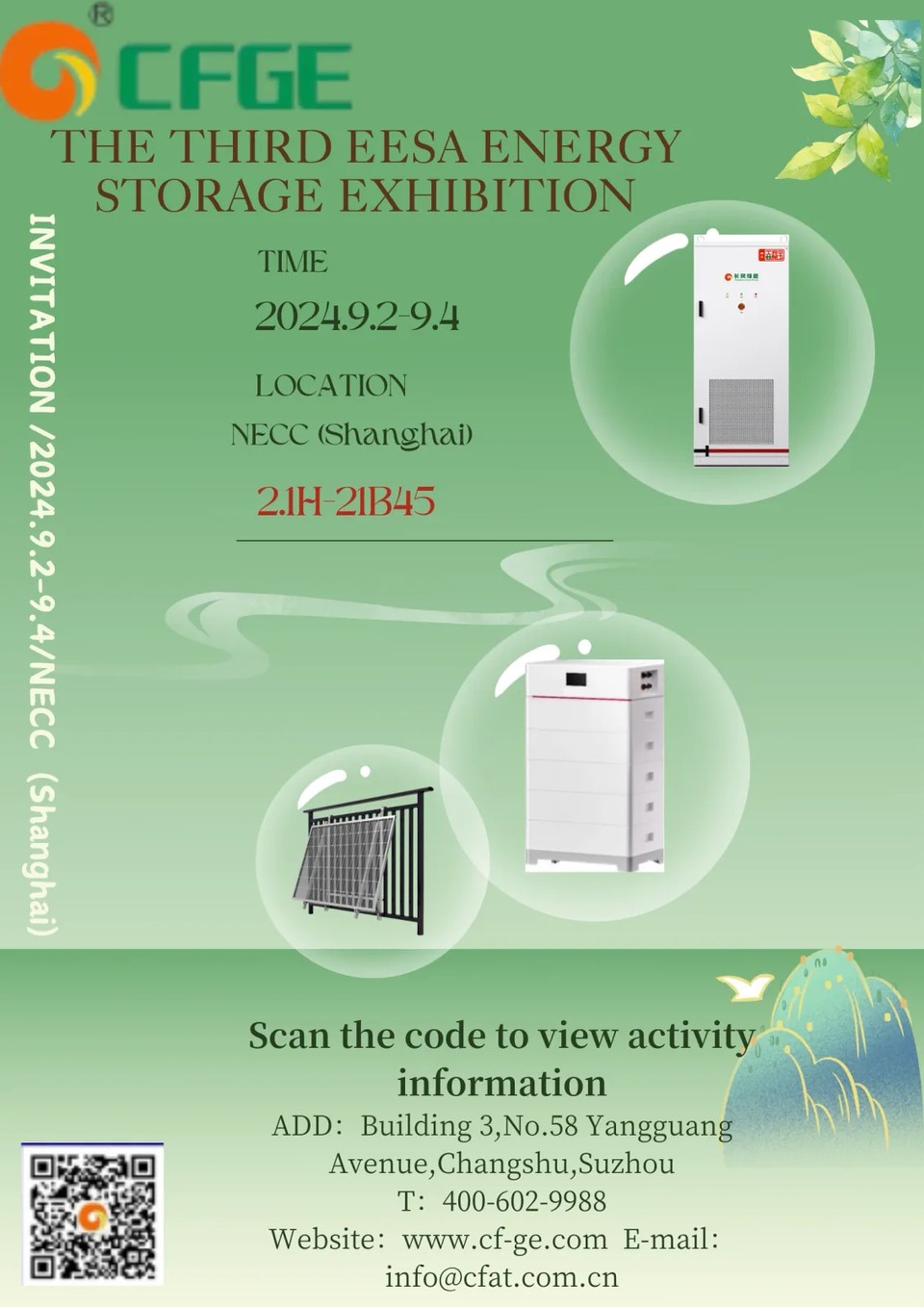
Event Archive: CFGE at EESA 2024 in Shanghai
Last updated 5 November 2026 · By Changfeng Green Energy Event archive. This invitation is kept for the record. The event took place on 2–4 September 2024 and has ended. Changfeng Green Energy (CFGE) is going to participate in the coming EESA Exhibition, which is the 3rd (2024) International Energy Storage Exhibition, held from September 2nd to 4th in Shanghai, China. At EESA 2024, CFGE will be showcasing our cutting-edge technologies and solutions designed to drive the future of renewable energy. Our team of experts will be on hand to demonstrate our latest products and discuss how our innovations can help meet the growing demand for clean and sustainable energy. From PV combiner boxes to integrated energy storage systems, our solutions are engineered to enhance efficiency, reliability, and sustainability. For more information about our participation and to schedule a meeting with our team during the event, please visit our website or contact us directly. Stay tuned for more updates and announcements as we approach this exciting event! About CFGE Changfeng Green Energy (CFGE) has designed and built PV balance-of-system equipment in Changshu, Suzhou, since 2007, and C&I energy storage systems since 2022. The current range includes PV combiner boxes, meter and grid-connection boxes, the liquid-cooled 261 Series and 418 Series cabinets, and the PulsarWatt Micro Grid AIO Container. Contact info@cf-ge.com, follow CFGE on LinkedIn, or read the company facts.
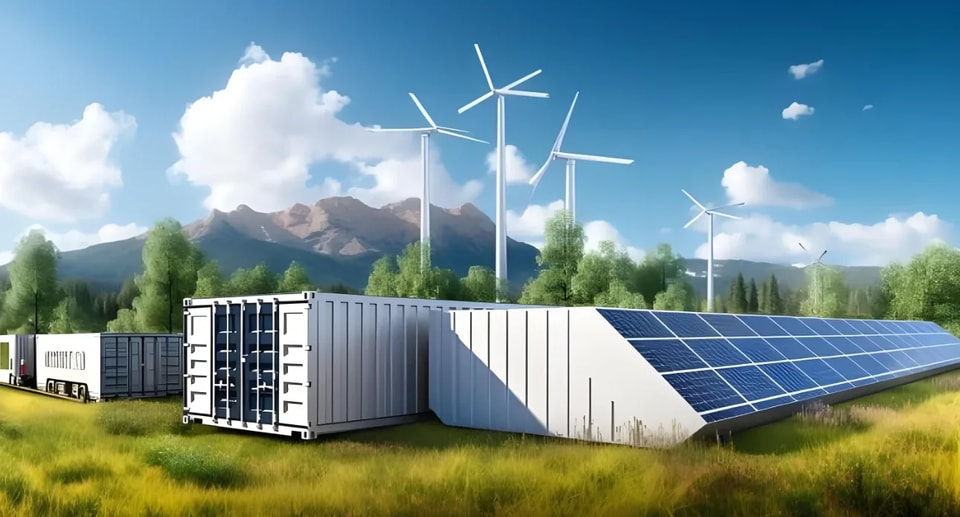
Harnessing Energy Storage: A Vital Opportunity in the Global Market
Last updated 5 November 2026 · By Changfeng Green Energy As the world races towards carbon neutrality, energy storage solutions have emerged as a cornerstone in the transition to renewable energy. The global energy landscape is rapidly evolving, with the integration of renewable energy sources such as solar and wind into power grids across continents. However, the intermittent nature of these energy sources presents a significant challenge: ensuring a stable and reliable energy supply. This is where energy storage steps in, offering a viable solution to enhance grid stability, optimize energy usage, and support the global energy transition. The Growing Demand for Energy Storage The demand for energy storage systems (ESS) is experiencing unprecedented growth, driven by the increasing penetration of renewable energy. In regions like Europe, North America, and Asia-Pacific, governments are implementing policies that incentivize the adoption of clean energy, making energy storage a crucial component of modern energy systems. For instance, in the United States, energy storage installations are projected to reach over 12,000 MW by 2025, reflecting a significant increase from just a few years ago. Similarly, the European market is expected to grow at a compound annual growth rate (CAGR) of 20% by 2030, driven by ambitious renewable energy targets. The Role of Energy Storage in Renewable Integration Energy storage systems are pivotal in addressing the variability and unpredictability of renewable energy sources. By storing excess energy generated during periods of low demand and releasing it during peak demand times, ESS ensures a continuous and reliable power supply. This capability not only enhances grid stability but also reduces the reliance on fossil fuel-based peaking plants, thus lowering greenhouse gas emissions. Moreover, energy storage enables the effective integration of distributed energy resources (DERs) like rooftop solar panels, allowing consumers to store excess energy and use it when needed, thereby maximizing the utilization of renewable energy. Feasibility and Economic Benefits The economic viability of energy storage has significantly improved over the past decade, thanks to advancements in battery technology and economies of scale. The cost of lithium-ion batteries, for example, has dropped by nearly 90% since 2010, making ESS more accessible and cost-effective. Furthermore, the implementation of energy storage can lead to substantial savings by reducing energy costs during peak hours, minimizing grid upgrade expenses, and enhancing energy efficiency. In emerging markets, particularly in regions with unreliable power grids, energy storage presents a unique opportunity to leapfrog traditional energy infrastructure. Countries in Africa, Southeast Asia, and Latin America are increasingly turning to ESS to support rural electrification, enhance energy security, and foster economic development. Conclusion: A Sustainable Future Powered by Energy Storage The global shift towards sustainable energy is inevitable, and energy storage is at the forefront of this transformation. By bridging the gap between energy generation and consumption, ESS not only ensures a stable and reliable power supply but also paves the way for a cleaner, greener future. As markets continue to expand and technologies advance, investing in energy storage is not just a feasible option—it is a necessary step towards achieving global energy sustainability. For businesses and stakeholders in the energy sector, the time to embrace energy storage is now. Whether through large-scale grid storage solutions or smaller, distributed systems, the benefits are clear: enhanced energy security, reduced environmental impact, and a more resilient energy infrastructure. Join us in shaping the future of energy—one storage solution at a time. About CFGE Changfeng Green Energy (CFGE) has designed and built PV balance-of-system equipment in Changshu, Suzhou, since 2007, and C&I energy storage systems since 2022. The current range includes PV combiner boxes, meter and grid-connection boxes, the liquid-cooled 261 Series and 418 Series cabinets, and the PulsarWatt Micro Grid AIO Container. Contact info@cf-ge.com, follow CFGE on LinkedIn, or read the company facts.
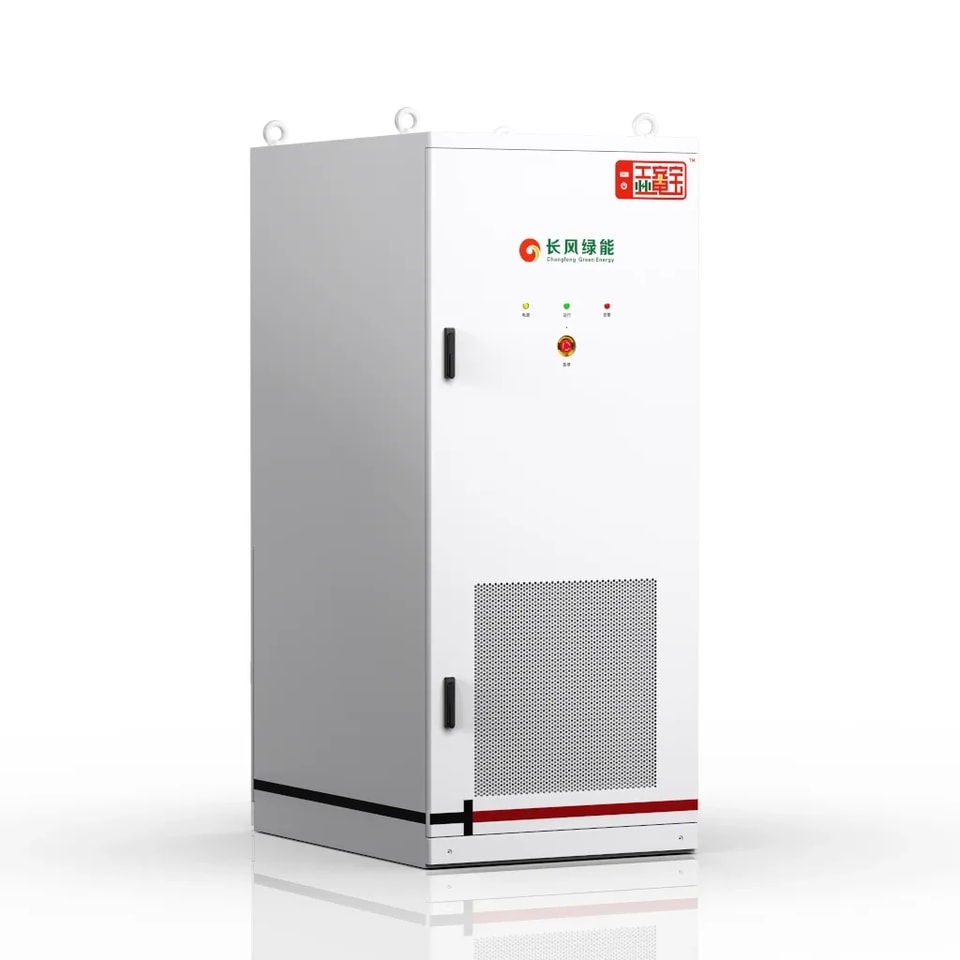
Unlocking a New Era of Efficient Energy Storage: The 233/250/400 kWh Liquid-Cooled Outdoor Cabinet Energy Storage System
Last updated 5 November 2026 · By Changfeng Green Energy Archived article. First published in August 2024. Product names and capacities reflect the range at that time. For current specifications, see the 261 Series, the 418 Series and all energy storage products. In the global wave of energy transition, energy storage technology is playing an increasingly critical role. As a leading provider of energy storage solutions, we are proud to introduce the 233 kWh Liquid-Cooled Outdoor Cabinet Energy Storage System. This innovative product not only represents the cutting edge of technology but also serves as a highly efficient solution tailored for various energy application scenarios. Advanced Liquid Cooling Technology Traditional energy storage systems often face challenges with heat dissipation, particularly in high-temperature environments. The 233/250/400 kWh Liquid-Cooled Outdoor Cabinet Energy Storage System effectively addresses this issue with advanced liquid cooling technology. By using fluid to conduct heat, the system ensures that the energy storage batteries operate at optimal temperatures, significantly extending battery life and enhancing system efficiency. This design allows our energy storage system to maintain stable performance even in extreme environmental conditions. Outdoor Adaptability and Modular Design Whether it’s an off-grid station in a remote area or an urban grid requiring load balancing, the 233/250/400 kWh Liquid-Cooled Outdoor Cabinet Energy Storage System is up to the task. Its robust outdoor cabinet design provides exceptional protection, ensuring stable operation in harsh weather conditions. Additionally, the modular design simplifies expansion and maintenance, allowing users to flexibly configure capacity according to actual needs, thereby effectively reducing operational costs. Highly Efficient and Intelligent Energy Management Intelligence is at the core of modern energy storage systems. Our 233/250/400 kWh Liquid-Cooled Outdoor Cabinet Energy Storage System integrates an advanced energy management system that monitors battery status in real-time and optimizes the charging and discharging process to maximize energy utilization. Whether for peak shaving and valley filling or grid frequency regulation, this system delivers outstanding solutions. Wide Range of Applications The 233/250/400 kWh Liquid-Cooled Outdoor Cabinet Energy Storage System is not only ideal for grid peak shaving and frequency regulation but also plays a crucial role in distributed energy systems, microgrids, and commercial and industrial energy storage. It provides users with a flexible, efficient, and reliable energy storage option, helping to maximize the utilization of renewable energy and significantly reduce carbon emissions. Conclusion The 233 kWh Liquid-Cooled Outdoor Cabinet Energy Storage System is a testament to our deep understanding of the energy storage market. Through continuous innovation and optimization, we are committed to providing our global customers with superior energy storage solutions, supporting the widespread adoption of clean energy and the transformation of the energy structure. Choosing us means choosing the future. About CFGE Changfeng Green Energy (CFGE) has designed and built PV balance-of-system equipment in Changshu, Suzhou, since 2007, and C&I energy storage systems since 2022. The current range includes PV combiner boxes, meter and grid-connection boxes, the liquid-cooled 261 Series and 418 Series cabinets, and the PulsarWatt Micro Grid AIO Container. Contact info@cf-ge.com, follow CFGE on LinkedIn, or read the company facts.
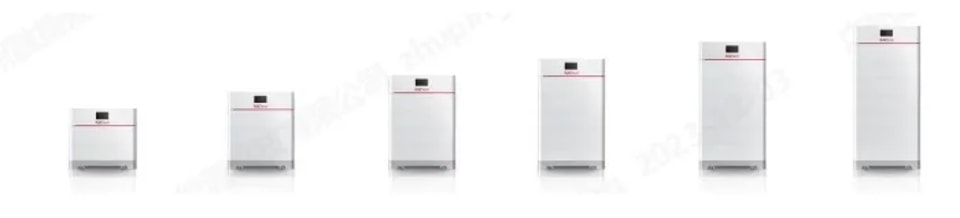
Introducing Changfeng Green Energy’s High-Voltage Household Energy Storage System
Last updated 5 November 2026 · By Changfeng Green Energy In today’s world, where energy efficiency and sustainability are paramount, Changfeng Green Energy (CFGE) is proud to introduce our latest innovation——the Separate High-Voltage Household Energy Storage System. Designed with cutting-edge technology and user convenience in mind, this system offers a seamless integration of high-performance lithium iron phosphate (LFP) batteries with a modular design that caters to diverse energy storage needs. Why Choose Our High-Voltage Household Energy Storage System? 1. Advanced Battery Technology: Our energy storage system utilizes high-performance LFP batteries renowned for their safety, longevity, and efficiency. These batteries ensure that you have a reliable and consistent power supply, reducing dependence on traditional energy sources and enhancing energy security for your household. 2. Modular Design for Flexibility: The system’s stackable design allows for easy installation and expansion. With options to include 2 to 7 battery modules, you can customize your storage capacity from 9.2 kWh to 32.2 kWh to suit your specific energy requirements. This flexibility ensures that as your energy needs grow, your storage system can grow with you. 3. Efficient Energy Management: The system includes a high-voltage control box that works seamlessly with your inverter. This allows for efficient charging of the batteries using excess photovoltaic (PV) energy and reliable discharging to power your home when PV energy is insufficient. The integration with your inverter ensures optimal performance and energy utilization. 4. High Power Output: With a rated power output ranging from 6.4 kW to 22.4 kW, our system is designed to handle significant energy loads, providing robust support for your household’s power needs. Whether it’s for daily use or emergency backup, our storage system ensures you have the power when you need it most. 5. Durable and Reliable: Built to withstand diverse environmental conditions, our system operates efficiently in temperatures ranging from -20℃ to 55℃ and can function at altitudes up to 4000 meters. The IP55 rating ensures protection against dust and water, making it suitable for various installation environments. 6. Smart Monitoring and Control: The system features SOC (State of Charge), run status, and fault information displays, allowing for easy monitoring and management of your energy storage. Communication through RS485 and CAN protocols ensures seamless integration with other smart home devices and energy management systems. 7. Certified Quality: Our high-voltage household energy storage system meets stringent international standards, including UL1973, IEC62619, and UN38.3 certifications. These certifications guarantee that our product adheres to the highest safety and performance standards. About CFGE Changfeng Green Energy (CFGE) has designed and built PV balance-of-system equipment in Changshu, Suzhou, since 2007, and C&I energy storage systems since 2022. The current range includes PV combiner boxes, meter and grid-connection boxes, the liquid-cooled 261 Series and 418 Series cabinets, and the PulsarWatt Micro Grid AIO Container. Contact info@cf-ge.com, follow CFGE on LinkedIn, or read the company facts.
Talk to us
Questions after reading?
Site, capacity and timeline — we reply with a configuration.
- info@cf-ge.com
- +86 173 0062 9666
- Building 13-2, No. 58 Yangguang Avenue, Changshu, Suzhou, Jiangsu, China

PV balance-of-system equipment and energy storage systems, designed and built in Changshu, Suzhou since 2007.