
- PV Products
PV balance of system
Combiner, meter and grid-connection boxes. 130 GW+ of PV products supplied.
All PV products - Energy Storage
261 Series Standard and PV-storage-diesel versions
418 Series DC-side and all-in-one versions
PulsarWatt Micro Grid AIO Container 20 ft · 90 kWp PV + 261 kWh
STS Cabinet 250 kW / 500 kW · On/off-grid transfer
- Grid-Connection Cabinet Grid tie for storage To be updated
AC Combiner (Paralleling) Cabinet Two 261 cabinets, one grid tie
More storage products Container & Air-Cooled Telecom Base Station Residential & Portable Elevator Energy Saving CFOS Platform - Markets & Solutions
- Projects
- Resources
- News & Insights


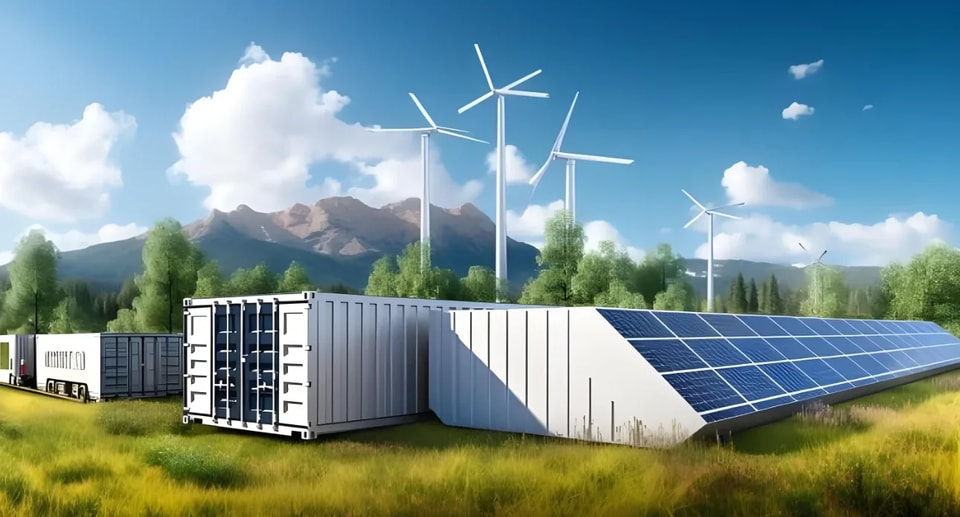
Harnessing Energy Storage: A Vital Opportunity in the Global Market
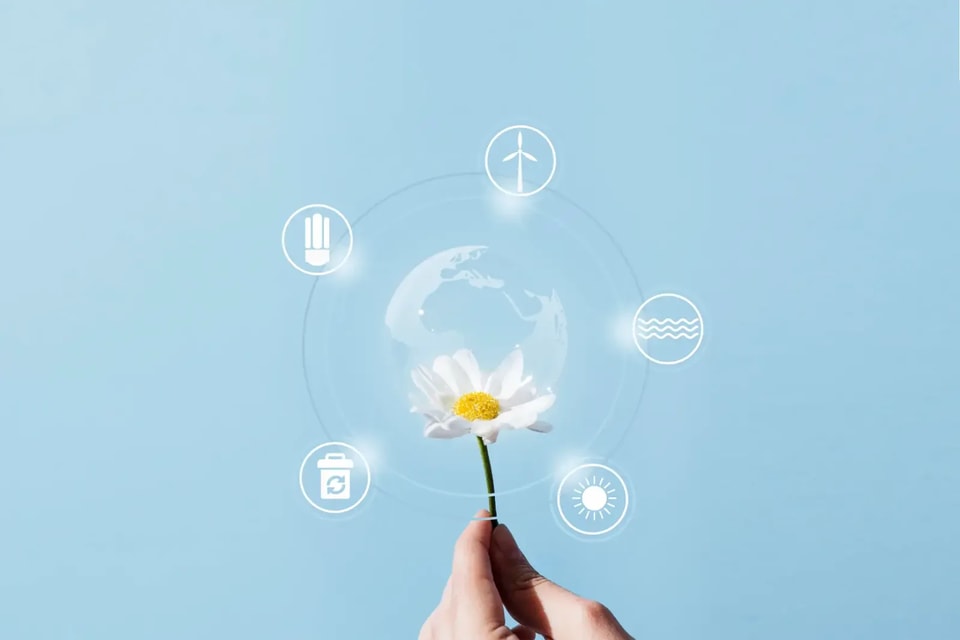
As the world races towards carbon neutrality, energy storage solutions have emerged as a cornerstone in the transition to renewable energy. The global energy landscape is rapidly evolving, with the integration of renewable energy sources such as solar and wind into power grids across continents. However, the intermittent nature of these energy sources presents a significant challenge: ensuring a stable and reliable energy supply. This is where energy storage steps in, offering a viable solution to enhance grid stability, optimize energy usage, and support the global energy transition.
The Growing Demand for Energy Storage
The demand for energy storage systems (ESS) is experiencing unprecedented growth, driven by the increasing penetration of renewable energy. In regions like Europe, North America, and Asia-Pacific, governments are implementing policies that incentivize the adoption of clean energy, making energy storage a crucial component of modern energy systems. For instance, in the United States, energy storage installations are projected to reach over 12,000 MW by 2025, reflecting a significant increase from just a few years ago. Similarly, the European market is expected to grow at a compound annual growth rate (CAGR) of 20% by 2030, driven by ambitious renewable energy targets.
The Role of Energy Storage in Renewable Integration
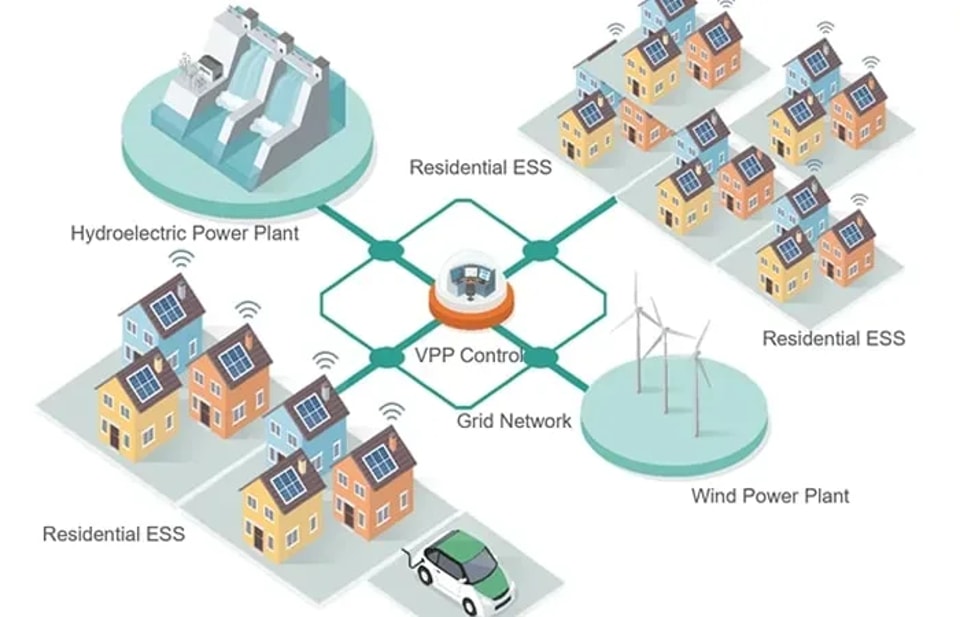
Energy storage systems are pivotal in addressing the variability and unpredictability of renewable energy sources. By storing excess energy generated during periods of low demand and releasing it during peak demand times, ESS ensures a continuous and reliable power supply. This capability not only enhances grid stability but also reduces the reliance on fossil fuel-based peaking plants, thus lowering greenhouse gas emissions.
Moreover, energy storage enables the effective integration of distributed energy resources (DERs) like rooftop solar panels, allowing consumers to store excess energy and use it when needed, thereby maximizing the utilization of renewable energy.
Feasibility and Economic Benefits
The economic viability of energy storage has significantly improved over the past decade, thanks to advancements in battery technology and economies of scale. The cost of lithium-ion batteries, for example, has dropped by nearly 90% since 2010, making ESS more accessible and cost-effective. Furthermore, the implementation of energy storage can lead to substantial savings by reducing energy costs during peak hours, minimizing grid upgrade expenses, and enhancing energy efficiency.
In emerging markets, particularly in regions with unreliable power grids, energy storage presents a unique opportunity to leapfrog traditional energy infrastructure. Countries in Africa, Southeast Asia, and Latin America are increasingly turning to ESS to support rural electrification, enhance energy security, and foster economic development.
Conclusion: A Sustainable Future Powered by Energy Storage
The global shift towards sustainable energy is inevitable, and energy storage is at the forefront of this transformation. By bridging the gap between energy generation and consumption, ESS not only ensures a stable and reliable power supply but also paves the way for a cleaner, greener future. As markets continue to expand and technologies advance, investing in energy storage is not just a feasible option—it is a necessary step towards achieving global energy sustainability.
For businesses and stakeholders in the energy sector, the time to embrace energy storage is now. Whether through large-scale grid storage solutions or smaller, distributed systems, the benefits are clear: enhanced energy security, reduced environmental impact, and a more resilient energy infrastructure.
Join us in shaping the future of energy—one storage solution at a time.
About CFGE
Changfeng Green Energy (CFGE) has designed and built PV balance-of-system equipment in Changshu, Suzhou, since 2007, and C&I energy storage systems since 2022.
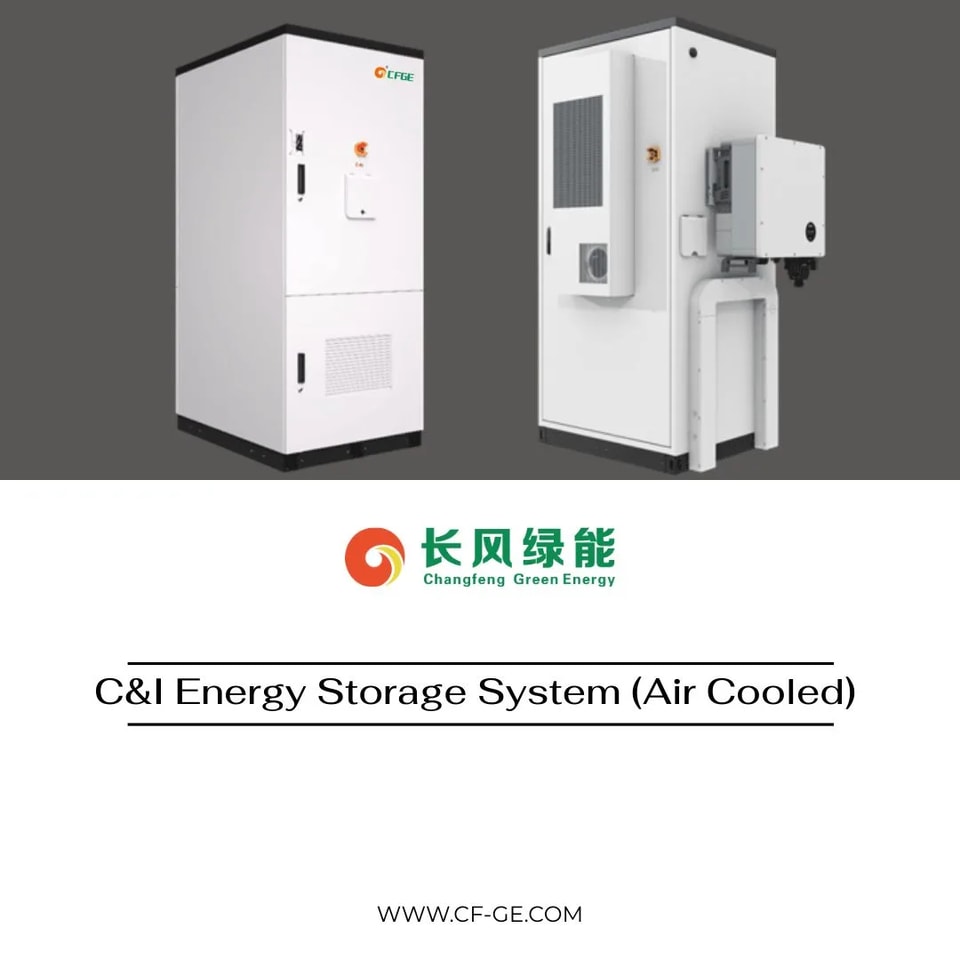
The current range includes PV combiner boxes, meter and grid-connection boxes, the liquid-cooled 261 Series and 418 Series cabinets, and the PulsarWatt Micro Grid AIO Container.
Contact info@cf-ge.com, follow CFGE on LinkedIn, or read the company facts.
Talk to us
Questions after reading?
Site, capacity and timeline — we reply with a configuration.
- info@cf-ge.com
- +86 173 0062 9666
- Building 13-2, No. 58 Yangguang Avenue, Changshu, Suzhou, Jiangsu, China

PV balance-of-system equipment and energy storage systems, designed and built in Changshu, Suzhou since 2007.