
- PV Products
PV balance of system
Combiner, meter and grid-connection boxes. 130 GW+ of PV products supplied.
All PV products - Energy Storage
261 Series Standard and PV-storage-diesel versions
418 Series DC-side and all-in-one versions
PulsarWatt Micro Grid AIO Container 20 ft · 90 kWp PV + 261 kWh
STS Cabinet 250 kW / 500 kW · On/off-grid transfer
- Grid-Connection Cabinet Grid tie for storage To be updated
AC Combiner (Paralleling) Cabinet Two 261 cabinets, one grid tie
More storage products Container & Air-Cooled Telecom Base Station Residential & Portable Elevator Energy Saving CFOS Platform - Markets & Solutions
- Projects
- Resources
- News & Insights


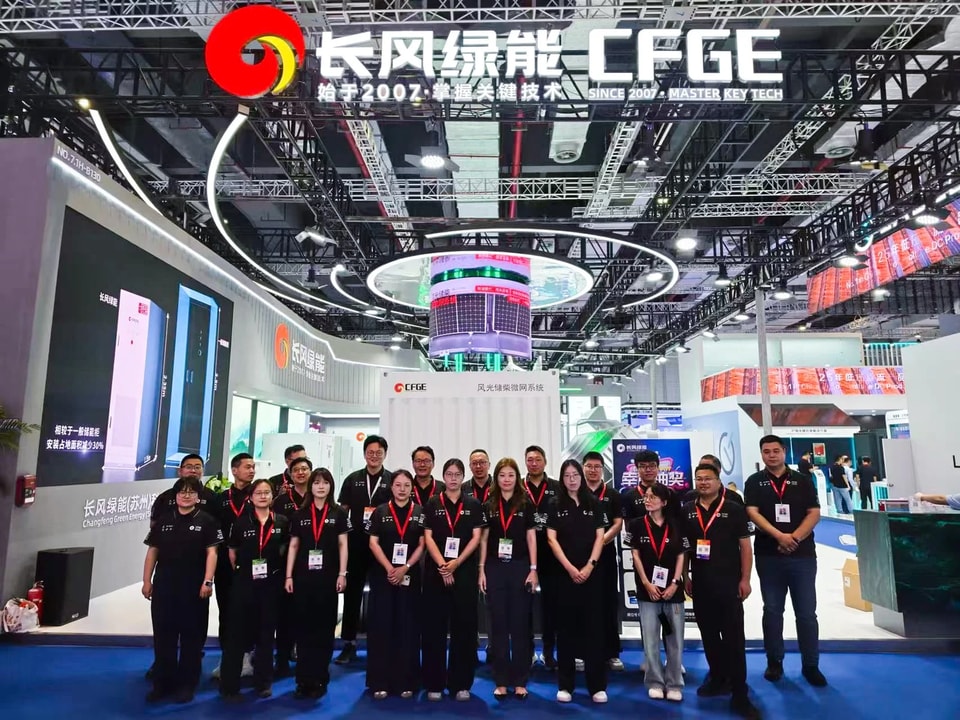
Industry News
Technical articles, industry news and exhibitions.
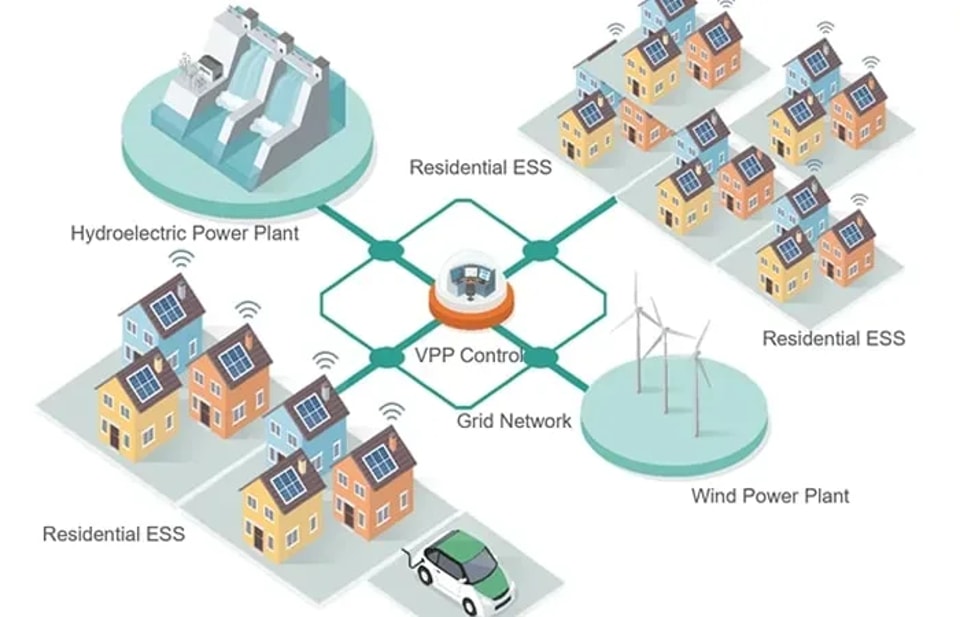
Pioneering the Energy Revolution: How Energy Storage Powers the Future of Virtual Power Plants
Last updated 5 November 2026 · By Changfeng Green Energy As the world transitions to cleaner energy, energy storage technology is becoming a critical enabler of renewable energy development. With the increasing volatility and unpredictability of renewable energy sources, the demand for energy storage solutions is on the rise. Changfeng Green Energy Technology Co., Ltd., leveraging cutting-edge technology and deep industry expertise, is strategically positioned in the energy storage market to deliver flexible and reliable energy solutions. The Rise of Virtual Power Plants (VPP) Virtual Power Plants (VPP) are emerging as a crucial component of modern power systems. By aggregating distributed energy sources, adjustable loads, and energy storage resources, VPPs create a highly efficient energy management platform. Powered by AI and big data, VPPs can manage and dispatch various resources with precision, meeting the diverse demands of power markets. In this context, energy storage technology plays a pivotal role with its flexibility and regulatory capabilities. Changfeng Green Energy specializes in developing high-performance energy storage products that enhance the operational efficiency of VPPs, helping clients navigate the uncertainties of power supply while improving system reliability and economic returns. Expansive Potential of the Energy Storage Market The energy storage market is expanding rapidly, driven by new load growth from electric vehicles, user-side storage, and data centers. Changfeng Green Energy is committed to integrating innovative storage technologies with market demands to maximize resource efficiency and management. Our energy storage solutions not only provide users with stable electricity services but also enable participation in spot markets, ancillary service markets, and green power trading, creating diverse revenue streams. A Future of Collaboration and Innovation As the construction of a unified national power market accelerates, Changfeng Green Energy will continue to leverage its technological strengths to promote the widespread adoption of energy storage. We look forward to partnering with various resource stakeholders to explore the full potential of the energy storage market. Together, we will ride the wave of green energy and contribute to sustainable development. Join us and seize the opportunities in the energy storage market as we work towards a greener, smarter future! About CFGE Changfeng Green Energy (CFGE) has designed and built PV balance-of-system equipment in Changshu, Suzhou, since 2007, and C&I energy storage systems since 2022. The current range includes PV combiner boxes, meter and grid-connection boxes, the liquid-cooled 261 Series and 418 Series cabinets, and the PulsarWatt Micro Grid AIO Container. Contact info@cf-ge.com, follow CFGE on LinkedIn, or read the company facts.
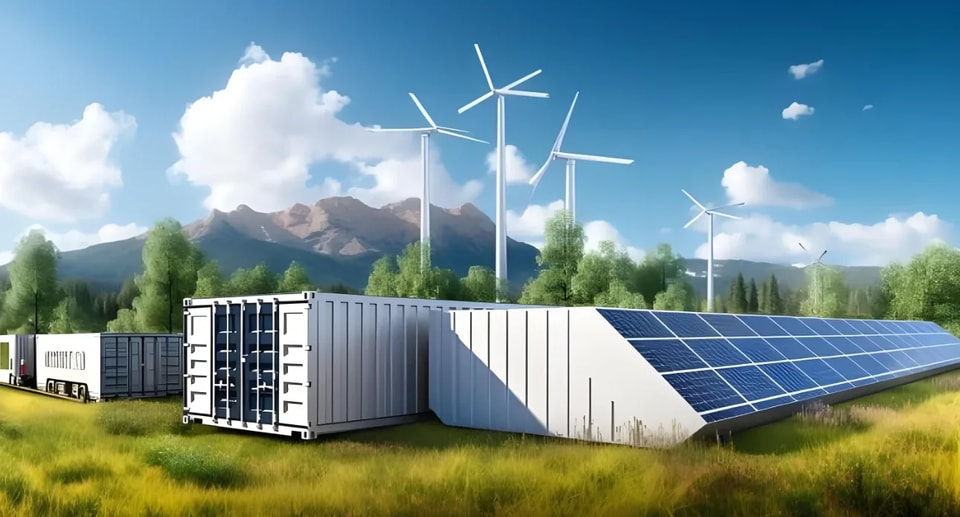
Harnessing Energy Storage: A Vital Opportunity in the Global Market
Last updated 5 November 2026 · By Changfeng Green Energy As the world races towards carbon neutrality, energy storage solutions have emerged as a cornerstone in the transition to renewable energy. The global energy landscape is rapidly evolving, with the integration of renewable energy sources such as solar and wind into power grids across continents. However, the intermittent nature of these energy sources presents a significant challenge: ensuring a stable and reliable energy supply. This is where energy storage steps in, offering a viable solution to enhance grid stability, optimize energy usage, and support the global energy transition. The Growing Demand for Energy Storage The demand for energy storage systems (ESS) is experiencing unprecedented growth, driven by the increasing penetration of renewable energy. In regions like Europe, North America, and Asia-Pacific, governments are implementing policies that incentivize the adoption of clean energy, making energy storage a crucial component of modern energy systems. For instance, in the United States, energy storage installations are projected to reach over 12,000 MW by 2025, reflecting a significant increase from just a few years ago. Similarly, the European market is expected to grow at a compound annual growth rate (CAGR) of 20% by 2030, driven by ambitious renewable energy targets. The Role of Energy Storage in Renewable Integration Energy storage systems are pivotal in addressing the variability and unpredictability of renewable energy sources. By storing excess energy generated during periods of low demand and releasing it during peak demand times, ESS ensures a continuous and reliable power supply. This capability not only enhances grid stability but also reduces the reliance on fossil fuel-based peaking plants, thus lowering greenhouse gas emissions. Moreover, energy storage enables the effective integration of distributed energy resources (DERs) like rooftop solar panels, allowing consumers to store excess energy and use it when needed, thereby maximizing the utilization of renewable energy. Feasibility and Economic Benefits The economic viability of energy storage has significantly improved over the past decade, thanks to advancements in battery technology and economies of scale. The cost of lithium-ion batteries, for example, has dropped by nearly 90% since 2010, making ESS more accessible and cost-effective. Furthermore, the implementation of energy storage can lead to substantial savings by reducing energy costs during peak hours, minimizing grid upgrade expenses, and enhancing energy efficiency. In emerging markets, particularly in regions with unreliable power grids, energy storage presents a unique opportunity to leapfrog traditional energy infrastructure. Countries in Africa, Southeast Asia, and Latin America are increasingly turning to ESS to support rural electrification, enhance energy security, and foster economic development. Conclusion: A Sustainable Future Powered by Energy Storage The global shift towards sustainable energy is inevitable, and energy storage is at the forefront of this transformation. By bridging the gap between energy generation and consumption, ESS not only ensures a stable and reliable power supply but also paves the way for a cleaner, greener future. As markets continue to expand and technologies advance, investing in energy storage is not just a feasible option—it is a necessary step towards achieving global energy sustainability. For businesses and stakeholders in the energy sector, the time to embrace energy storage is now. Whether through large-scale grid storage solutions or smaller, distributed systems, the benefits are clear: enhanced energy security, reduced environmental impact, and a more resilient energy infrastructure. Join us in shaping the future of energy—one storage solution at a time. About CFGE Changfeng Green Energy (CFGE) has designed and built PV balance-of-system equipment in Changshu, Suzhou, since 2007, and C&I energy storage systems since 2022. The current range includes PV combiner boxes, meter and grid-connection boxes, the liquid-cooled 261 Series and 418 Series cabinets, and the PulsarWatt Micro Grid AIO Container. Contact info@cf-ge.com, follow CFGE on LinkedIn, or read the company facts.
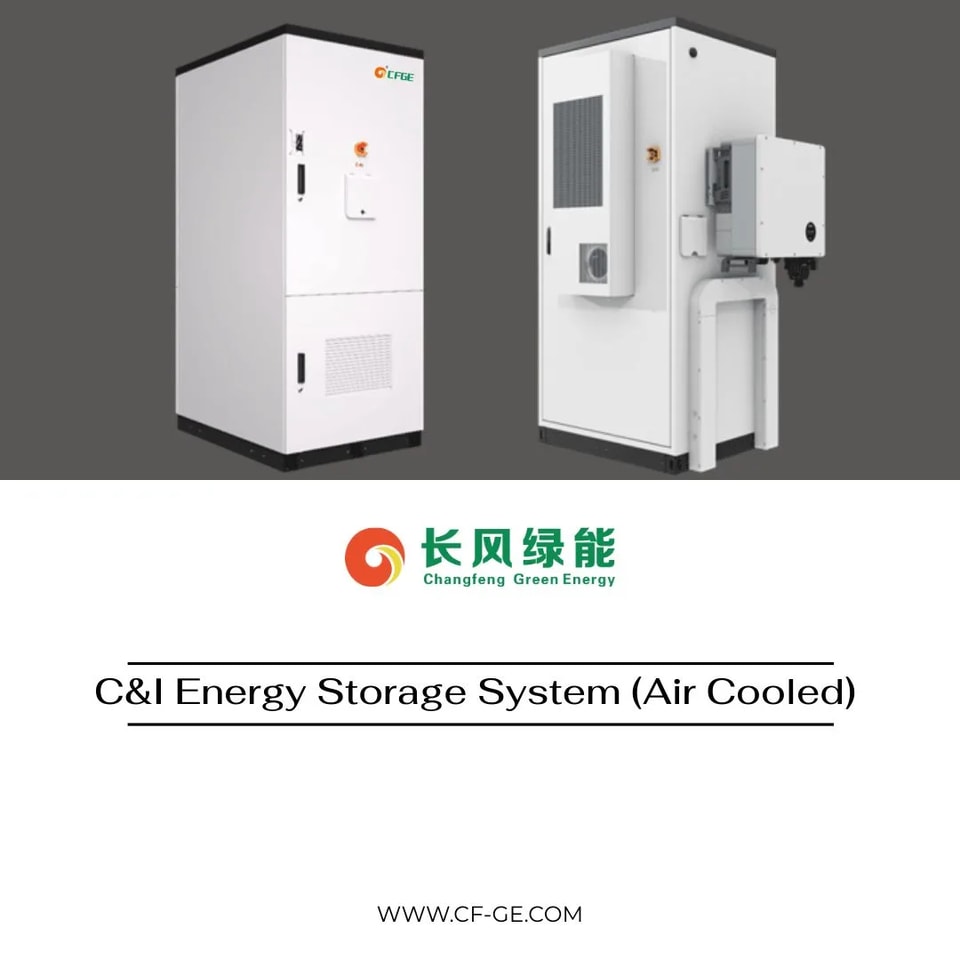
C&I Energy Storage Market Continues to Explode
Last updated 5 November 2026 · By Changfeng Green Energy Archived article. First published in April 2024. Product names and capacities reflect the range at that time. For current specifications, see the 261 Series, the 418 Series and all energy storage products. Background: Current Trends: The energy storage landscape will see significant installation growth and technological advances through 2024. Energy storage has been identified as critical to ensuring reliable and stable local electricity markets, as the world seeks to meet its energy transition goals. CFGE ESS Solutions Residential ESS 3.6 kW / 5 kW hybrid inverter with 4.8 kWh / 9.6 kWh lithium-ion scalable battery module C&I ESS All-in-one Solutions Platform for PV+ESS 50 kW/100 kWh Euro High Energy Density 100 kW/215 kWh Utility Scale Lead 300 Ah/314 Ah Liquid Cool Platform 3.76/4/5 MWh RJE Tech/Gotion cell option Utility Energy Storage System (Liquid Cooled) – 3.72 MWh / 4 MWh Solutions Battery Cell: 280 Ah for 3.72 MWh, 300 Ah for 4 MWh, 314 Ah for 5 MWh* (Using 1P104S large pack) Electrical Design: Pack 1P52S, 8 Packs Series, 10 Cluster total Voltage Range: Rated 1331.2 V DC, 1164.8-1497.6 V DC Conclusion: Implications for the Industry: Competition is moving from battery cells to complete systems The technology of choice for Solar-based ESS C&I ESS will maintain high prosperity in 2024 With the tightening of grid connection and dispatch, new electrochemical energy storage technologies (such as grid-scale energy storage and liquid-cooled PCS) have been implemented. Other new energy storage systems, including vanadium liquid flow and compressed air, will move rapidly from demonstration projects to large-scale applications. Changfeng Green Energy sees abundant opportunities for growth and innovation as the energy storage market continues to explode. About CFGE Changfeng Green Energy (CFGE) has designed and built PV balance-of-system equipment in Changshu, Suzhou, since 2007, and C&I energy storage systems since 2022. The current range includes PV combiner boxes, meter and grid-connection boxes, the liquid-cooled 261 Series and 418 Series cabinets, and the PulsarWatt Micro Grid AIO Container. Contact info@cf-ge.com, follow CFGE on LinkedIn, or read the company facts.
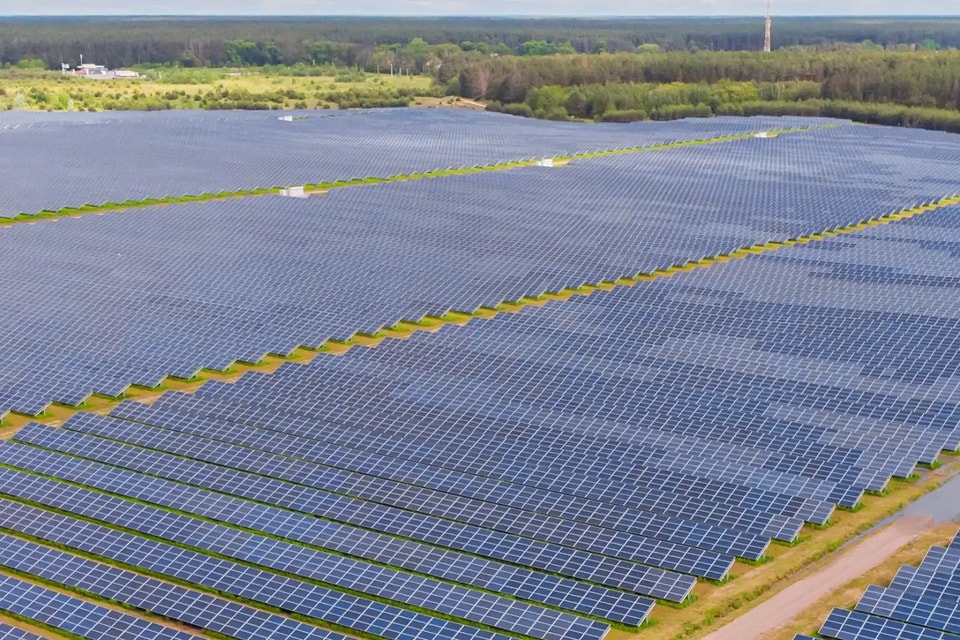
Powering a Sustainable Future
Last updated 5 November 2026 · By Changfeng Green Energy The photovoltaic (PV) industry has emerged as a cornerstone of the global transition towards clean and renewable energy sources. As solar power continues to gain momentum, it is essential to understand the value chain that drives the production and distribution of PV products. From raw materials to end-users, each stage in the value chain plays a crucial role in powering a sustainable future. Raw Materials At the beginning of the PV value chain, the production of solar panels relies on a range of raw materials. High-purity silicon is the primary material used in photovoltaic cells, obtained through the refinement of silicon metal. Other critical materials include glass, metal frames, polymers, and specialized encapsulates. Manufacturing The manufacturing phase involves the assembly of photovoltaic cells into modules. This process includes the deposition of semiconductor layers, such as crystalline silicon or thin-film materials, onto the substrates. Advanced manufacturing techniques and quality control ensure the production of efficient and durable solar panels. Distribution and Logistics Once manufactured, PV modules are distributed to various markets. This stage of the value chain involves logistics, transportation, and warehousing to ensure efficient and timely delivery. Distribution networks connect manufacturers with installers, project developers, and end-users across different regions. Installation and Integration PV modules are installed by certified professionals on rooftops, solar farms, or integrated into building materials. This stage requires expertise in system design, electrical connections, and compliance with local regulations. The integration of PV systems with the existing power grid ensures seamless energy flow and optimal utilization. Operation and Maintenance Once installed, PV systems require ongoing operation and maintenance. This involves monitoring energy production, conducting regular inspections, cleaning modules, and addressing any issues that may arise. Efficient maintenance practices contribute to maximizing system performance and extending the lifespan of solar installations. End-User Applications The final stage of the PV value chain encompasses the utilization of solar energy by end-users. These can include residential, commercial, and industrial customers, as well as utility-scale projects. Solar power can offset electricity consumption, reduce carbon emissions, and provide energy independence for consumers. The photovoltaic industry products value chain is a comprehensive process that enables the production, distribution, and utilization of solar energy. From sourcing raw materials to the installation and integration of PV systems, each stage contributes to a sustainable and clean energy future. As the global demand for renewable energy grows, it is crucial to foster innovation and collaboration across the value chain to drive efficiency, affordability, and widespread adoption of photovoltaic technologies. By embracing the value chain approach, we can accelerate the transition towards a greener and more sustainable world. About CFGE Changfeng Green Energy (CFGE) has designed and built PV balance-of-system equipment in Changshu, Suzhou, since 2007, and C&I energy storage systems since 2022. The current range includes PV combiner boxes, meter and grid-connection boxes, the liquid-cooled 261 Series and 418 Series cabinets, and the PulsarWatt Micro Grid AIO Container. Contact info@cf-ge.com, follow CFGE on LinkedIn, or read the company facts.
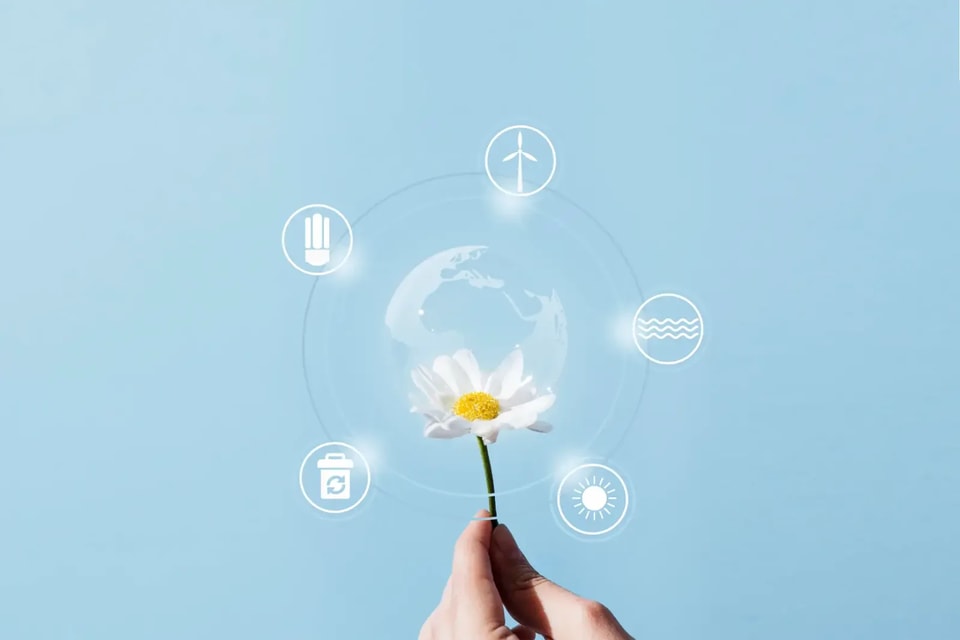
Green Energy Innovations: Paving the Way for a Sustainable Future
Last updated 5 November 2026 · By Changfeng Green Energy In recent years, the world has witnessed a remarkable surge in green energy innovations. As the global community increasingly recognizes the urgent need to combat climate change and reduce greenhouse gas emissions, the development and adoption of sustainable energy solutions have gained significant momentum. From renewable power sources to breakthrough technologies, these innovations hold the key to a greener and more sustainable future. Solar Power Solar energy has emerged as a leading green energy source, with continuous advancements in photovoltaic technology. Innovations such as thin-film solar panels, solar shingles, and transparent solar cells are revolutionizing the industry. Moreover, solar energy storage solutions are becoming more efficient, allowing for the harnessing of solar power even during cloudy days or at night. Wind Power The wind power sector has witnessed remarkable progress in both onshore and offshore wind farms. Advances in turbine design, such as larger rotors and taller towers, have increased efficiency and power generation. Innovations like floating wind turbines and airborne wind energy systems are pushing the boundaries of wind power, making it more accessible and viable in diverse locations. Energy Storage One of the key challenges facing renewable energy sources is intermittency. However, green energy innovations in energy storage technologies are transforming the landscape. Lithium-ion batteries, alongside emerging technologies like flow batteries and solid-state batteries, are enabling efficient storage and utilization of renewable energy, making it available when needed and reducing reliance on fossil fuel-based backup power. Smart Grids and Energy Management The integration of smart grids and advanced energy management systems is revolutionizing the way electricity is generated, transmitted, and consumed. Smart grids optimize energy distribution, minimize transmission losses, and facilitate the seamless integration of renewable energy sources. Additionally, smart meters and home automation systems empower individuals to monitor and manage their energy consumption, encouraging more efficient use of electricity. Hydrogen and Bioenergy Green energy innovations also extend to hydrogen and bioenergy solutions. Hydrogen, when produced from renewable sources, can serve as a clean and versatile fuel for transportation and power generation. Additionally, advancements in bioenergy technologies, such as biofuels and anaerobic digestion, enable the conversion of organic waste into renewable energy sources, reducing reliance on fossil fuels. The rapid progress in green energy innovations is paving the way for a sustainable future. These advancements not only address the pressing challenges of climate change and environmental degradation but also foster economic growth and job creation. As governments, businesses, and individuals increasingly embrace and invest in green energy solutions, we move closer to a world powered by clean, renewable sources, reducing our carbon footprint and ensuring a healthier planet for future generations. By harnessing the power of innovation, we can build a greener and more sustainable tomorrow. About CFGE Changfeng Green Energy (CFGE) has designed and built PV balance-of-system equipment in Changshu, Suzhou, since 2007, and C&I energy storage systems since 2022. The current range includes PV combiner boxes, meter and grid-connection boxes, the liquid-cooled 261 Series and 418 Series cabinets, and the PulsarWatt Micro Grid AIO Container. Contact info@cf-ge.com, follow CFGE on LinkedIn, or read the company facts.
The Benefits of Green Energy
Last updated 5 November 2026 · By Changfeng Green Energy Green energy, also known as renewable energy, refers to energy sources that are naturally replenished and have a minimal impact on the environment. This includes solar, wind, hydro, geothermal, and biomass energy. The benefits of renewable energy are numerous and can be categorized into environmental, economic, and social benefits. Environmental Reduction in greenhouse gas emissions. Renewable energy sources produce significantly fewer greenhouse gas emissions compared to fossil fuels, thereby helping to mitigate climate change. Conservation of natural resources. Renewable energy relies on sources that are infinite or can be easily replenished. Reduced air and water pollution. Renewable energy sources do not release harmful pollutants into the air or water, improving air quality and protecting ecosystems. Preservation of habitats: The extraction and burning of fossil fuels contribute to habitat destruction and wildlife displacement. Renewable energy helps reduce these negative impacts. Economic Job creation. The transition to renewable energy requires investments in technology, infrastructure, and workforce, resulting in job creation and economic growth. Energy independence. By diversifying energy sources and relying less on imported fossil fuels, countries can achieve greater energy independence and reduce vulnerability to price fluctuations. Cost savings. While there may be initial costs associated with implementing renewable energy systems, renewable energy sources have the potential for long-term cost savings as they require less maintenance and do not rely on volatile fuel prices. Social Improved public health. The reduction in air and water pollution associated with renewable energy sources can lead to improved public health outcomes, including fewer respiratory illnesses and reduced healthcare costs. Energy access. Renewable energy technologies can provide access to electricity in remote and underserved areas, helping to bridge the energy poverty gap and improve quality of life. Community engagement. Transitioning to renewable energy often involves community engagement, leading to increased public participation and awareness about the importance of sustainable energy. Green energy offers a way to meet our energy needs while minimizing environmental impact. As well as stimulating economic growth, and promoting social well-being. Embracing and investing in renewable energy is crucial for a sustainable future. About CFGE Changfeng Green Energy (CFGE) has designed and built PV balance-of-system equipment in Changshu, Suzhou, since 2007, and C&I energy storage systems since 2022. The current range includes PV combiner boxes, meter and grid-connection boxes, the liquid-cooled 261 Series and 418 Series cabinets, and the PulsarWatt Micro Grid AIO Container. Contact info@cf-ge.com, follow CFGE on LinkedIn, or read the company facts.
Talk to us
Questions after reading?
Site, capacity and timeline — we reply with a configuration.
- info@cf-ge.com
- +86 173 0062 9666
- Building 13-2, No. 58 Yangguang Avenue, Changshu, Suzhou, Jiangsu, China

PV balance-of-system equipment and energy storage systems, designed and built in Changshu, Suzhou since 2007.